
2026 EV Boom: What Tesla's German Comeback Means for You
Q1 2026 registration numbers, Tesla's March record, and what it means for Model Y owners
Germany's electric car market made a turnaround in Q1 2026 that almost nobody expected a year ago. 159,630 pure EVs were newly registered, up 41.3% year-over-year. Right in the middle of it: Tesla, suddenly accelerating again after a weak 2025. What that means for you, whether you already own a Model Y or are thinking about one, we will look at calmly here. No Tesla cheerleading, no doomsday talk, just the numbers from Germany's federal motor authority.
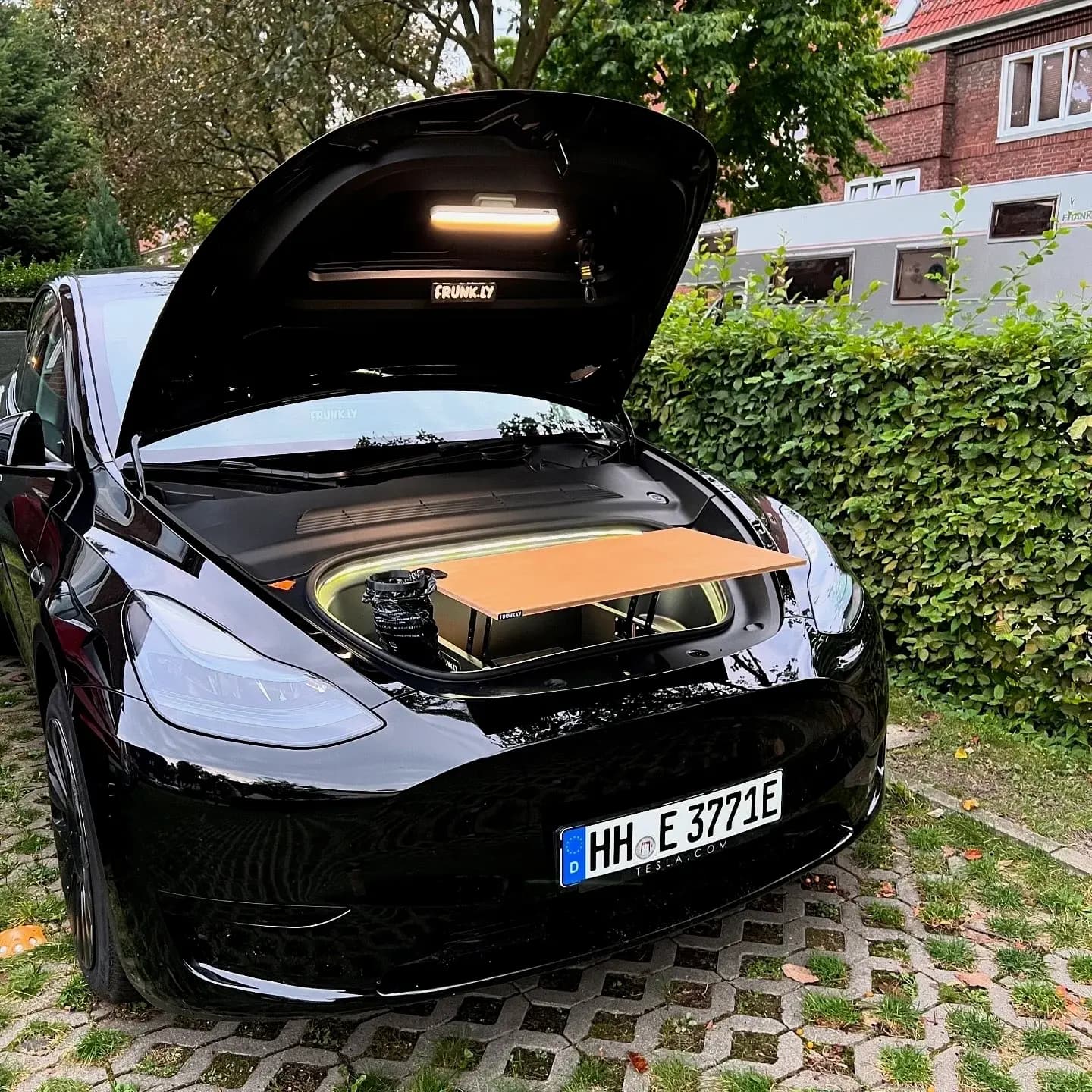
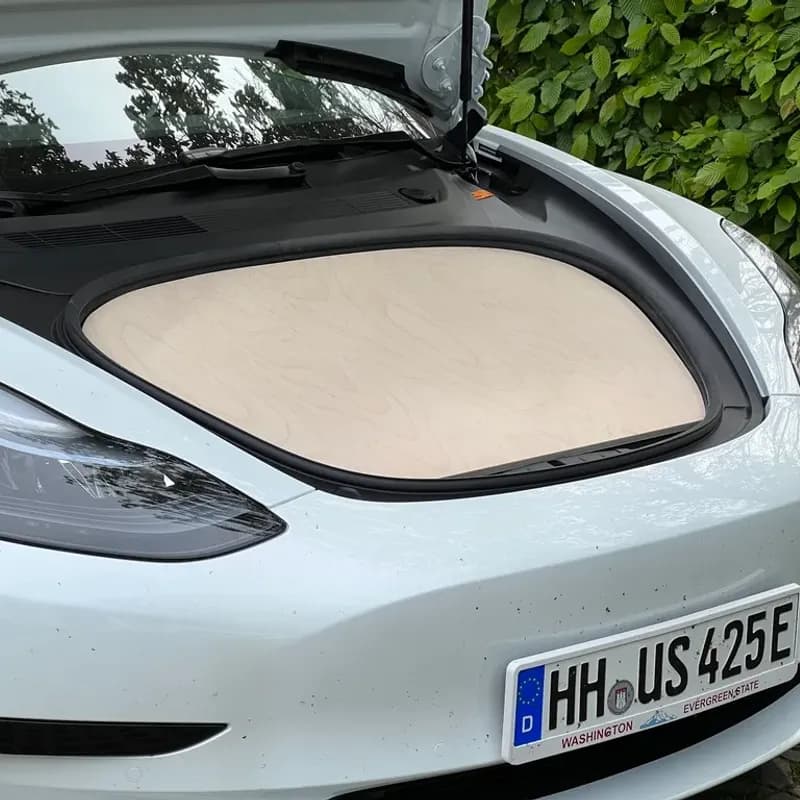
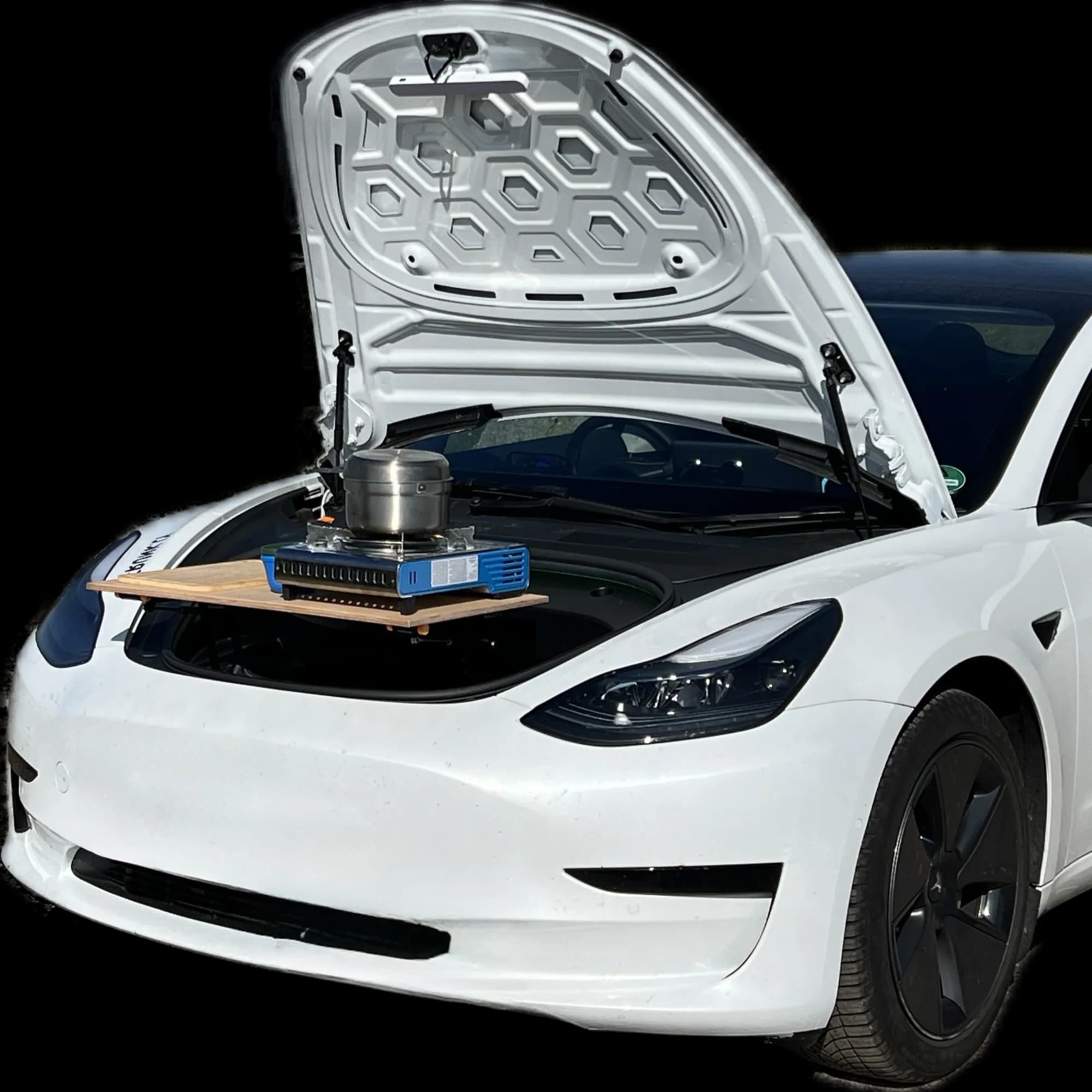
We build 3D-printed tables for the Tesla frunk. So obviously we pay attention to how many new Model Y hit German roads. But before we get to the frunk, the broader market picture is worth a look.
The numbers at a glance
Q1 2026 in Germany, in short:
- Total BEV registrations: 159,630 vehicles
- YoY growth: +41.3% compared to Q1 2025
- BEV market share: 22.8% of all new car registrations
- Tesla March 2026: 9,252 registrations, +315% YoY
- Strongest March in years for Tesla in Germany
- Model Y March 2026: 6,841 units, top-selling BEV again
- Tesla Q1 ranking: 3rd place behind VW and Skoda among BEV brands
The 22.8% market share is the real headline number. More than one in five newly registered cars in Germany is now fully electric. Two years ago, that was a different world.
Why the jump
The market is growing for several reasons at once. The German THG quota credit scheme is still a factor in 2026, new models like the updated Model Y Juniper have been shipping since early in the year, and prices have come down across almost every manufacturer. On top of that: skepticism about EVs is fading as more friends and colleagues make the switch themselves.
Tesla benefits from this wave particularly clearly. After months where mood pieces dominated coverage, the March numbers speak for themselves. +315% versus March 2025 is not noise, that is a clear signal that the updated Model Y is working in Germany.
More new Model Y means more frunks getting used every day.
What 9,252 Teslas in March actually mean
Context matters. 9,252 registrations sounds like a lot, but you have to read it carefully. First, Tesla still ranks third in the Q1 total behind Volkswagen and Skoda. Germany's volume business with fleets, company cars and incentive programs still runs through the established brands.
Second, March is traditionally a delivery-heavy month. Tesla often bunches deliveries around quarter-end, which inflates monthly numbers. Even so, +315% YoY is remarkable, especially because it compares against a weak March 2025 and puts Tesla back into a volume range it has not reached for a while in Germany.
For you as a buyer, this means: delivery times may stretch out again, service network density will probably expand, and resale value benefits from the fact that the model is clearly in demand.
What this means for new owners
If you picked up a Model Y in the last few weeks, you are part of a fast-growing group. Practical consequence: accessories that had wait times back in March 2025 are often available faster in 2026 because manufacturers responded to demand. That goes for mats, charging cables, roof racks, and frunk accessories. Still, plan your accessory purchases right after pickup so you use the car the way you imagined from day one.
Private buyers vs fleet: one telling number
One number from the March report stands out: The majority of newly registered Model Y go to private customers, while the VW ID.4 leans much more toward fleets. That is a huge gap and says a lot about who is driving which EV in Germany right now.
What follows from that? Tesla drivers in Germany in 2026 are overwhelmingly people who bought and paid for the car themselves. No fleet leasing, no corporate car list. The car is used privately, on weekends, on vacation, on the grocery run. Usage looks completely different than for a fleet ID.4 driven mainly to the office.
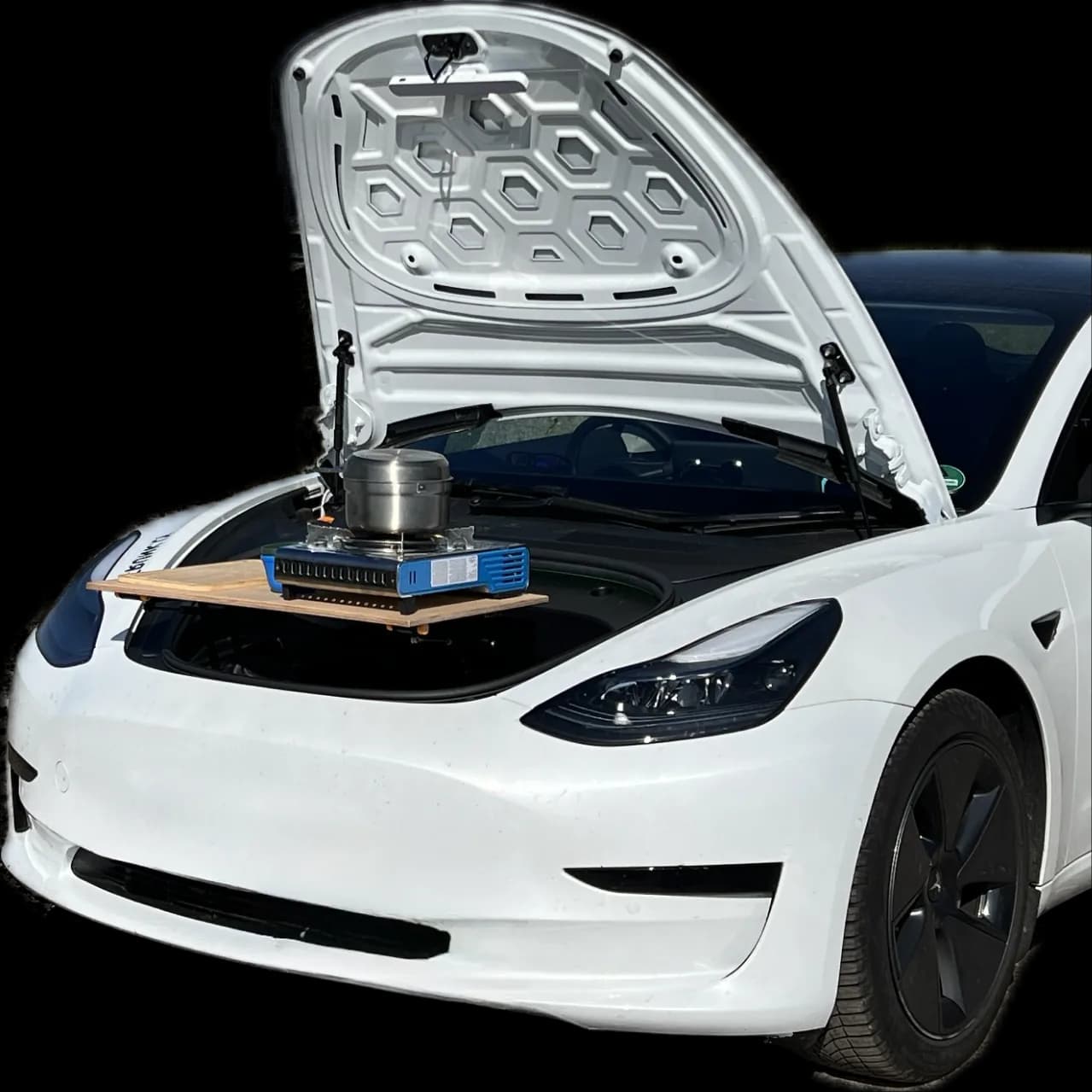
This private-use pattern is exactly why a small market has grown around the Tesla frunk. If you drive your own car and end up waiting at a Supercharger, you want to use the space in front of the windshield productively. With company cars that is rarely a concern, nobody has lunch at a Supercharger in a fleet vehicle.
What we take away from the numbers
Three conclusions from Q1 2026:
1. Germany's BEV market is back. 22.8% market share and +41.3% YoY is not a one-off, that is a real shift. 2. Tesla has momentum again. Whether it holds, we will see in Q2. But +315% YoY in March is a clear statement. 3. Private buyers drive Tesla in Germany. That is good for the brand because these customers tend to be more loyal and actually use the car heavily.
We sell a niche product for a specific car. If that car is on German roads more often again, we obviously welcome it. More important, though, is what the numbers say about the market overall: in 2026, electric mobility has arrived in Germany not as a subsidy-fueled blip but as a genuine purchase decision by private buyers.
Sources: ecomento (April 10, 2026), t3n (April 2026), best-selling-cars Q1 2026 report.

Related Posts
Ready for Your Next Adventure?
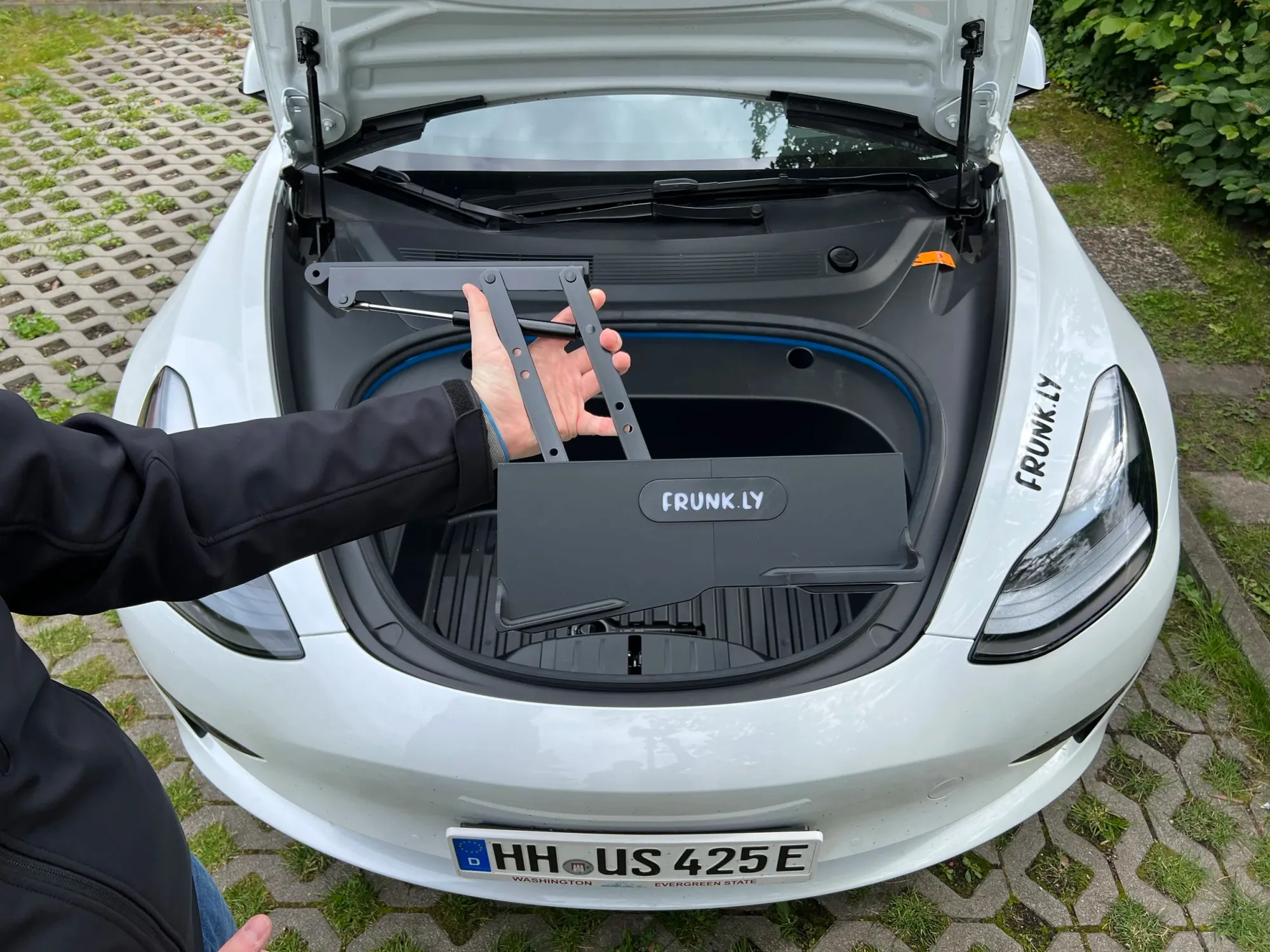
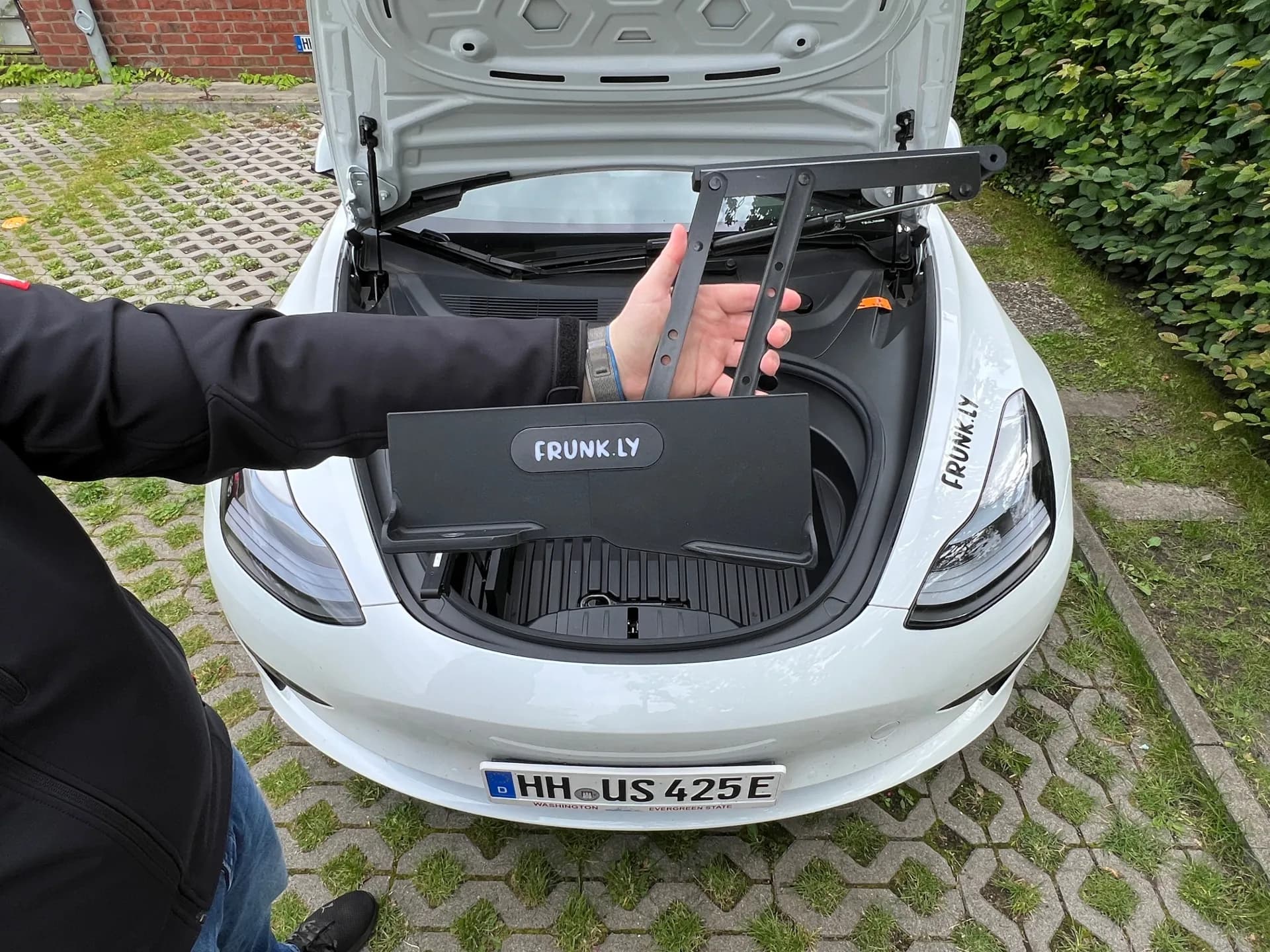
Your Tesla can do more. With Frunkly, transform your frunk into a practical workspace in seconds.